
3 Tips to Overcome Camera Shyness
“Get that thing away from me. I hate being on camera!”
Does this sound familiar? Do you have a similar reaction when a camera (or phone) is aimed in your direction?
Do you often avoid turning on your camera for Zoom, Teams, or Facetime because you don’t feel “camera ready?”
If so, you are not alone. Believe it or not, most people hate the way they look on camera, as well as the way they sound on the phone. It’s human nature. The problem with this attitude is that video has become the preferred way of communication. With Facebook Live, YouTube, Linked In, Snapchat, Tik Tok, and other social media that is increasingly video driven, it is difficult to avoid making your own video. While text (blogs, articles, posts, emails, etc) is still a viable communication tool, most people are using video content to tell their story, whether it’s for their personal brand, or for their business. You don’t want to be left behind simply because you are not comfortable on camera.
Here are 3 tips to help you overcome your camera shyness.

Scripting your presentation can help keep you organized, and on track while on camera.
Write a script
This doesn’t mean that you have to write out everything you plan to say word for word. In fact, I would advise against that as it won’t sound natural. You want to be yourself on camera, but you don’t want to ramble, or seem incoherent. People can tell if you haven’t planned what you want to say ahead of time. Having a list of bullet points is a good way to achieve this, because it will help structure your thoughts, yet still leave room for a natural delivery. Memorizing a script will often come off as insincere and unnatural. Think about what you want to say to your audience. It doesn’t matter if it’s just a quick vlog, or if you are making a more formal presentation. Preparation will help you feel more confident, which will make you feel better about being on camera. You want to connect with your audience on a personal level, which would be difficult to do if you are thinking about what you want to say.
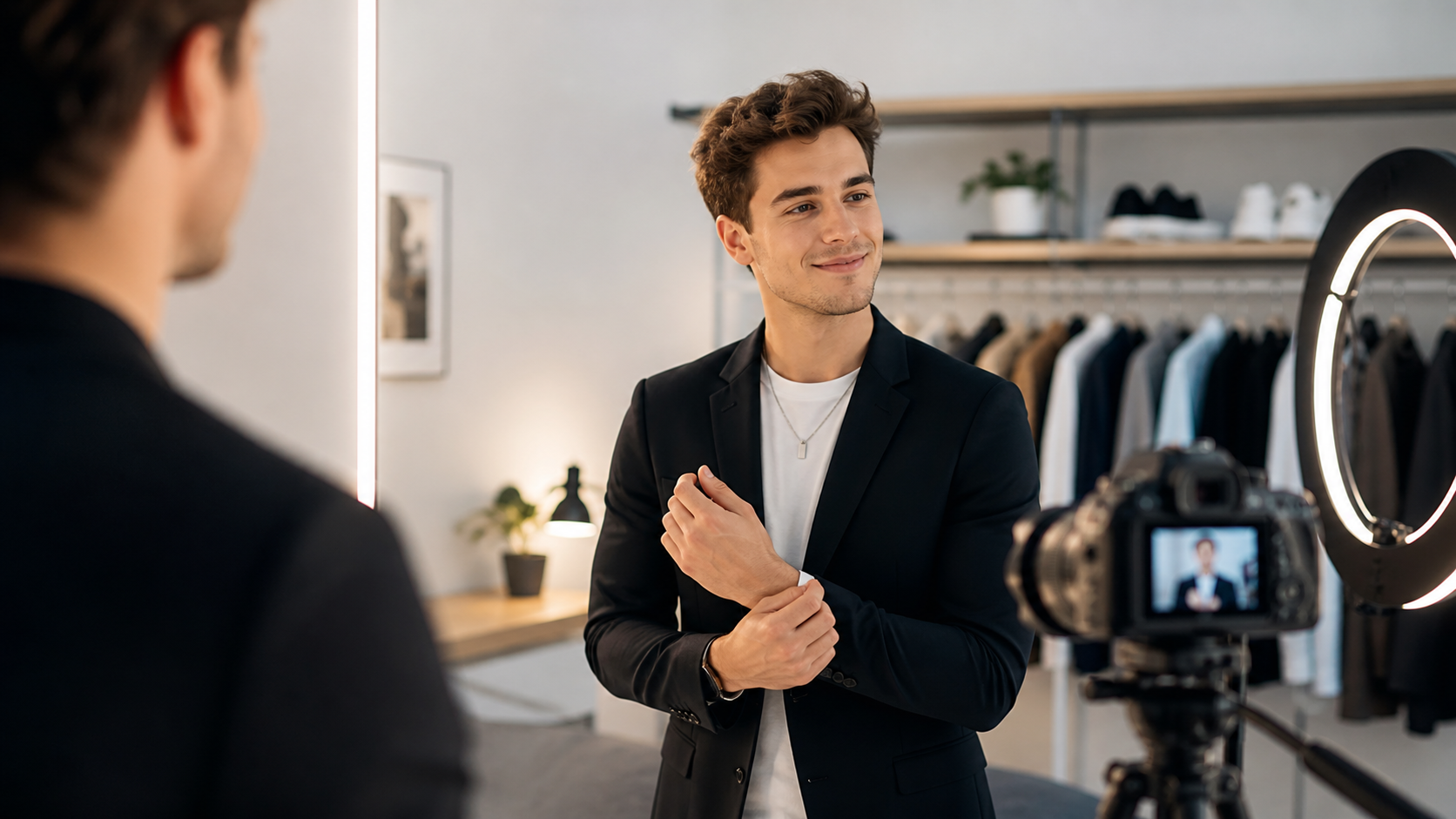
They say the clothes make the man (or woman), but it can also make the presentation.
Wear your favorite clothes
This is an often overlooked technique for helping with camera shyness. Wear something that makes you feel confident. Most of the time, when we wear something that makes us feel good about the way we look, it causes us to carry ourselves differently. I have found that if I feel good about my clothes I have more energy, and my confidence level is through the roof. While a cool shirt won’t necessarily make you smarter, or guarantee more views on your video, it will affect the way you come across on camera. Just like when you are going out on the town, wearing your favorite outfit affects you emotionally. In addition to the clothes, also pay attention to the rest of your appearance, particularly your hair and skin. You must also keep your audience in mind. If you are making a vlog about Rock music, then you might be dressed differently than if you were making a commercial for men’s clothing. The important thing is to dress for your audience, but also wearing something that you feel makes you look great.

Recording yourself practicing your presentation helps build confidence, and reveals any issues that might arise.
Record Yourself Practicing Your Script
When people give tips on overcoming camera shyness, they often suggest practicing in front of a mirror. This works fine if the problem is with the presentation, or your delivery of the presentation, but it won’t do much for people who just hate the way they look or act on camera. Sometimes just seeing ourselves on camera makes us cringe. Practice is just another way of saying “repetition.” You can do this yourself, but unless you are recording your own vlog or presentation, it’s better if you have someone else record your practice, as well. The more you record yourself practicing, the more you’ll be used to seeing yourself on camera. Pretty soon it won’t bother you as much. When people only rarely see themselves on camera it is a shock, and they react accordingly. Once you are used to seeing yourself on camera it gets easier for you to be comfortable, and it eliminates being unnecessarily critical of yourself. When you make your practice recordings (or, preferrably, have someone record them for you), you are the only one who needs to view them. Once you are more at ease with seeing yourself in videos, you can begin to show them to your friends and family. While it’s true that friends and family can sometimes be unfairly harsh in their criticisms, most will be fair and constructive. After a while you will comfortable releasing them to your social media, website, or other media outlet.
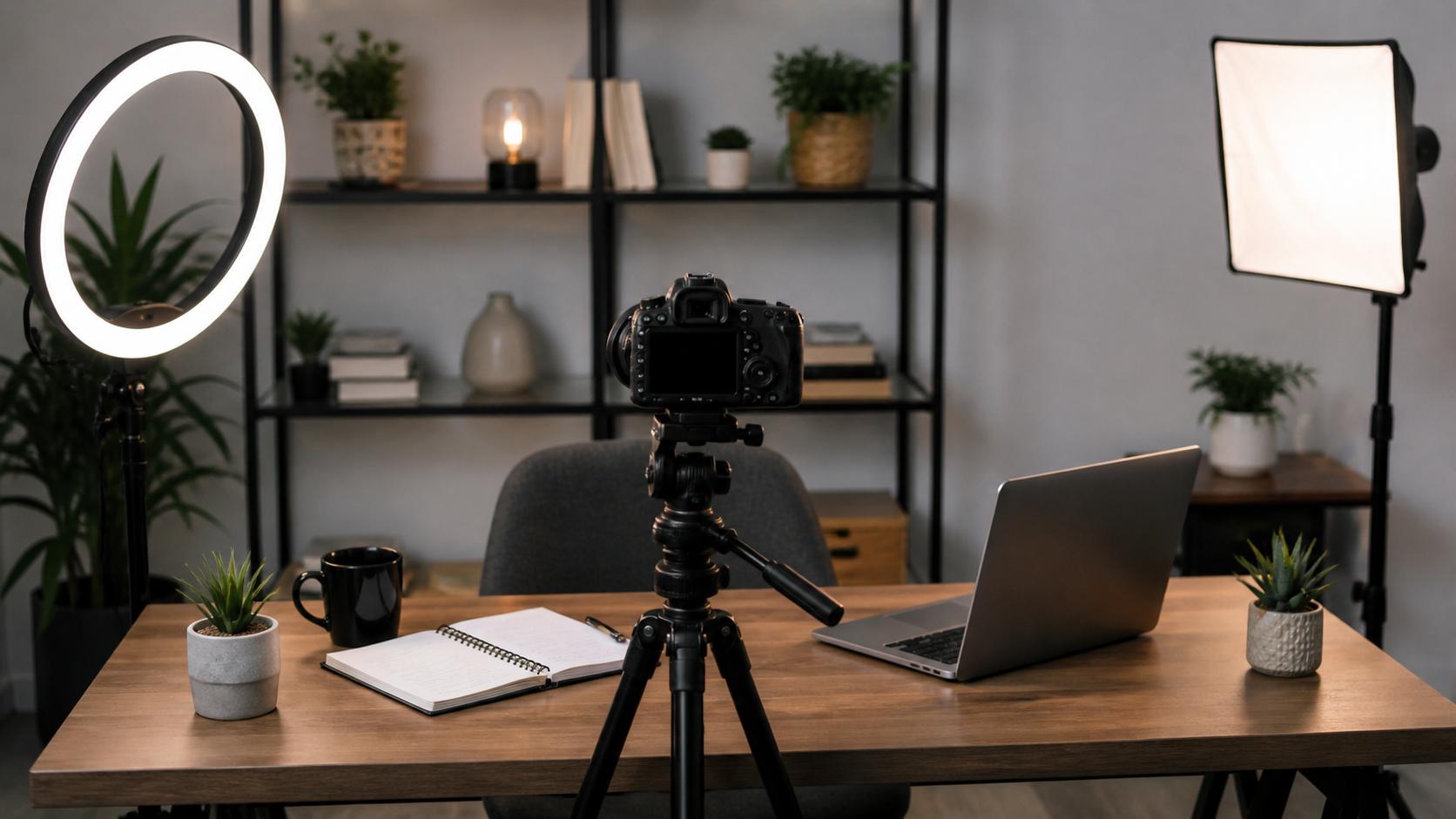
Being on camera can be a daunting experience, but you can overcome camera shyness with these 3 easy steps.
Conclusion
Being comfortable on camera is something that takes time. As long as I’ve been doing this I have my moments where I’m not comfortable being on camera. I am the guy who is more apt to get up in front of an audience, or do a radio interview or podcast, with no issue, but as soon as the camera starts recording I freeze up, or second guess myself. I think the reason for it is that we know that once we are recorded, it is a moment captured in time for all to see. Start with these 3 steps, and you’ll see yourself grow more confident in front of the camera.